
Block Paving or Tarmac? A Homeowner’s Guide
Choosing between block paving and tarmac depends on the property style, expected traffic, drainage, maintenance preferences and budget. Both can create a practical driveway or parking area, but they differ in appearance, installation and repair options. Stamp Stone serves homeowners across Leicester, Leicestershire, Nottinghamshire and Derbyshire, where site conditions and access can vary from one project to another.
If the driveway may later include lighting or an EV chargepoint, coordinate routes before the surface is installed. The driveway lighting guide and home EV charger guide explain the preparation questions to raise early.
A Plain English Comparison
At its core, block paving uses individual paving blocks laid closely to create a patterned, textured surface. Tarmac forms a smooth, continuous, and durable finish.
When Block Paving May Suit Your Project
Block paving may suit projects where colour, laying pattern and border detail are important. Blocks are available in different shapes, textures and tones, allowing the design to complement the brickwork, entrance and surrounding garden.
Individual blocks can also be lifted and relaid where access beneath the surface is required. The final result still depends on correct ground preparation, firm edge restraints and suitable jointing. Poor preparation or restraint can contribute to movement, settlement and joint loss over time. If the existing paving is already uneven, read our focused guide to why block paving sinks or moves and when repair or refurbishment may be appropriate.
When Tarmac May Suit Your Project
Tarmac may suit homeowners who want a clean, straightforward and practical surface, particularly across larger or less complex areas. Its continuous appearance can work with both modern and traditional properties.
Edging stones can define the driveway and connect it visually with paths, walls or planting. Suitability depends on site access, levels, the sub-base and the condition of any existing surface. The installer should also explain how vulnerable edges and connections to other materials will be treated. If the existing tarmac is already damaged, our tarmac repair, resurfacing and replacement guide explains the main checks before deciding whether to patch, resurface or rebuild.
Groundwork, Sub Base, and Essential Drainage
The visible finish is only the final layer. Both block paving and tarmac depend on suitable excavation, ground preparation, sub-base construction, vehicle loading and threshold levels. Our driveway sub-base and ground preparation guide explains those underlying decisions in more detail.
Drainage should be planned before the final material is selected. The design may need suitable falls, channels, inspection-cover details and a compliant destination for surface water. Requirements vary with the property and location, so the proposed solution should be confirmed during the site survey.
Before choosing either surface, read our practical guides to driveway drainage and permeable surfaces, driveway planning permission in England and dropped kerbs and vehicle access. When you are ready to compare quotations, use the driveway quote photo and measurement checklist.
Appearance, Edges, and Mixed Finishes
You do not necessarily have to choose exclusively between the two materials; they can often be combined effectively. Consider how your new driveway will sit beside your house brickwork, garage doors, front paths, boundaries, and garden features.
Block Borders for Tarmac
Adding a contrasting block border to a tarmac driveway provides crisp definition.
Contrasting Entrances
Using different paving colours to mark a parking bay creates a structured, welcoming appearance.
It is best to keep the design coherent and sympathetic to your home, rather than introducing overly complex details that compete visually with the main property.
Maintenance Considerations
No outdoor surface is entirely maintenance free, and understanding the required upkeep helps inform your decision. Block paving may require periodic joint maintenance, particularly in shaded areas where moss or debris might settle. Regular sweeping and occasional careful cleaning help maintain its appearance. Tarmac should be kept free of heavy debris and monitored for potential damage, particularly around vulnerable edges. The appropriate maintenance approach will depend on the installed system, the volume of traffic, and its exposure.
Homeowner Comparison Checklist
- Photograph the full driveway, access route, thresholds and drains.
- Measure the approximate length and width.
- Note how many vehicles use the area and whether heavier vehicles visit.
- Choose whether design flexibility or a simpler continuous finish matters most.
- Compare excavation, sub-base, drainage, edging and aftercare—not price alone.
A Simple Decision Process
- Decide whether design flexibility or a straightforward continuous finish matters most.
- Confirm vehicle use, access, levels, drainage and the condition of the existing surface.
- Compare the same excavation, sub-base, edging, drainage and aftercare scope across quotations.
- Choose the option that best fits the property and long-term maintenance expectations—not price alone.
How to Choose Between Block Paving and Tarmac
Choose by the needs of the property rather than by one feature alone. Block paving may be attractive where colour, pattern, borders and access to individual sections for later work are priorities. Tarmac may suit a homeowner seeking a simple, continuous appearance. In either case, the groundwork, drainage, edges and intended vehicle loading remain central to long-term performance.
- Think about future services: review the home EV charger planning guide before fixing cable routes or parking positions.
- Plan visibility early: use the driveway lighting guide before excavation and edging are finalised.
- Plan aftercare: compare routine requirements in the driveway cleaning and maintenance guide.
Frequently Asked Questions
Can a damaged area be repaired?
Individual paving blocks can often be lifted and relaid when access beneath the surface is needed. Tarmac can also be repaired, although the new area may remain visible. The cause of movement or damage should be identified before the finish is restored.
Does either surface remove the need for drainage?
No. Finished levels, falls, channels, outlets and the destination of surface water must be designed for the individual site, regardless of the visible surface.
Which is best for a smaller driveway?
There is no universal answer. Shape, turning space, access, appearance, edge details and preparation may matter more than overall area, so compare like-for-like specifications.
Questions to Include in Your Quotation
Asking the right questions ensures you receive a completely transparent proposal. Use this practical checklist:
- What depth of preparation and excavation is included?
- How will final levels and surface water drainage be managed?
- Which specific edging, borders, or restraints are proposed?
- How will existing drains and inspection covers be integrated?
- What practical aftercare and maintenance routines are recommended?
Plan the Next Step for Your Driveway
Gathering information early makes the consultation more productive. Providing photographs of the existing area, your project postcode, approximate dimensions, and details regarding how many vehicles use the space helps identify any access constraints or drainage requirements immediately.
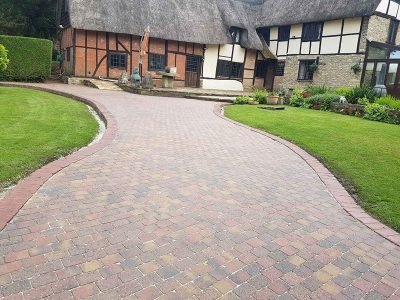
Explore block paving and refurbishment, see a genuine Stamp Stone curved block-paving and landscaping project, learn about tarmac driveways, compare the pattern-imprinted concrete guide and stencilled concrete and resin guide, then review the driveway maintenance guide.