

Pattern-Imprinted Concrete: A Complete Homeowner’s Guide
What Is Pattern-Imprinted Concrete?
Pattern-imprinted concrete combines a continuous concrete surface with colour and a decorative stamped pattern. The finished appearance can resemble natural stone, slate, traditional cobbles or block paving. Because it has fewer open joints than individual paving blocks, routine weed management can be reduced, but long-term performance still depends on correct groundwork, drainage, joint design, curing and maintenance.
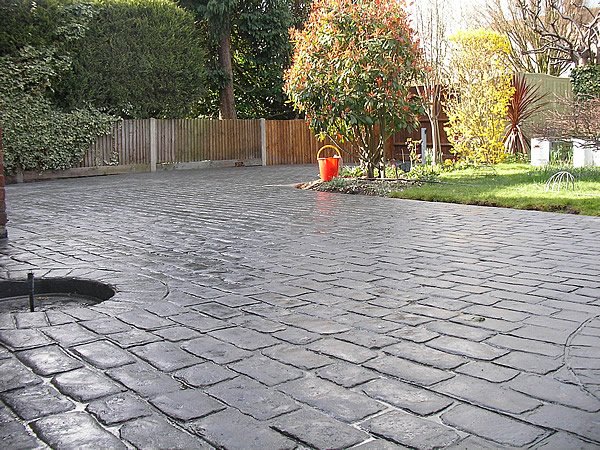
Is It Right for Your Driveway or Patio?
Suitability depends on the existing ground, site access, property levels, drainage and intended use. A driveway specification must account for vehicle loads and safe access, while a patio places more emphasis on seating, garden levels and how the finish meets doors, steps and borders. A site assessment should take place before the final design and construction details are agreed. Stamp Stone serves homeowners across Leicester, Leicestershire, Nottinghamshire and Derbyshire.
Homeowners still comparing surface types can also review the block paving or tarmac guide and the stencilled concrete and resin guide.
Choosing the Pattern and Colour Together
The primary pattern, base colour, secondary release colour and border details must work seamlessly as one complete design. It is always recommended that you compare physical samples outdoors in natural daylight rather than relying solely on printed brochures. You should carefully consider the property’s existing architectural features, including the brickwork, exterior render, roof tiles, boundary fencing and surrounding garden landscape. A finished driveway or patio that looks highly attractive in isolation should ultimately complement the entire property.
Site Preparation and Proper Drainage
Preparation matters just as much as the visible finish. An existing driveway cannot always simply be covered and may require excavation or repair. The site assessment should consider excavation depth, sub-base condition, finished levels, falls, drainage channels, inspection covers, edges and access for materials. The drainage solution must suit the property and comply with the requirements that apply to the project.
Before finalising a specification, review our guides to driveway drainage and permeable surfaces, planning permission for new driveways and dropped kerbs and vehicle access. When you are ready to ask for prices, the driveway quote photo and measurement checklist shows what information to send first.
Excavation Depth
A solid foundation prevents future surface cracking.
Sub-base Quality
Compacted stone ensures optimal structural integrity.
Drainage Planning
Compliance with regulations prevents localised flooding.
Installation Stages, Curing and First Use
The typical process includes excavation, sub-base preparation, formwork, concrete placement, levelling, colour application and stamping. The surface is then left to cure before washing, joint cutting and sealing take place at the appropriate stages. Keep people, pets, furniture and vehicles off the new surface until the installer confirms it is ready. Access timings depend on the concrete specification, weather, curing conditions and intended loads, so follow the project-specific aftercare instructions.
Routine Cleaning and Ongoing Aftercare
Use care guidance that matches the installed system. Avoid unsuitable, harsh chemicals or de-icing salts, deal with accidental oil or chemical spills promptly, and arrange professional maintenance when the surface begins to show noticeable signs of wear. The right cleaning and resealing interval ultimately depends on daily traffic, exposure to harsh weather and the specific products originally applied.
Common Planning Mistakes to Avoid
- Choosing a pattern before checking levels, drainage and access.
- Assuming an existing surface can always be overlaid.
- Selecting colours indoors without viewing them in natural light.
- Comparing quotations by price without comparing groundwork and drainage.
- Using the new surface before the installer confirms it is ready.
Homeowner Project Checklist
- Photograph the full area, doors, drains and access route.
- Measure the approximate length and width.
- List the vehicles, furniture or pedestrian use expected.
- Note preferred patterns, colours and border ideas.
- Ask for the preparation, drainage and aftercare scope in writing.
Benefits and Trade-offs to Discuss
Pattern-imprinted concrete offers a continuous decorative finish with a wide choice of patterns, colours and borders. The trade-offs are equally important: repairs may remain visible, the finish needs suitable aftercare, and movement must be managed through the project design and jointing approach. Ask to see examples that are similar in size, colour and use to your own project.
Plan future additions before the driveway or patio is built. If an electric vehicle is likely, the home EV charger guide explains the early decisions around parking positions and cable routes. The driveway lighting guide helps coordinate fixtures and power, while the landscaping guide covers adjoining paths, planting and garden levels.
Frequently Asked Questions
Will pattern-imprinted concrete crack?
Concrete can move, so the specification and jointing strategy should be designed to manage expected movement. No responsible quotation should rely on a blanket promise that an outdoor concrete surface can never crack.
Why does the surface need resealing?
Resealing may help maintain the appearance and protection of the installed system, but the timing and products must match the original finish, wear and exposure. Ask for written aftercare guidance.
Can the finished surface become slippery?
Grip can be affected by the texture, sealer, weather, contamination and maintenance. Discuss the intended use and suitable finish during specification, especially around slopes, steps and regularly wet areas.
Four Steps Before Choosing a Specification
- Confirm whether the area is mainly for vehicles, pedestrians, seating or mixed use.
- Record access, levels, drainage, thresholds and the condition of the existing surface.
- Shortlist patterns and colours only after the practical construction requirements are understood.
- Compare quotations using the same groundwork, drainage, concrete, jointing and aftercare scope.
Questions to Ask Before Requesting a Quotation
Being prepared makes the initial consultation much more productive. Consider these practical questions:
- What is the approximate overall area in square metres?
- Will the new surface predominantly carry heavy vehicles, pedestrians or both?
- Are there any notable access restrictions, varied levels, steps, existing drains or inspection covers?
- Which specific patterns and colour combinations naturally suit the period and style of the property?
- What exact levels of site preparation, drainage compliance and post-installation aftercare are fully included within the overall price?
How to Get a Useful Quotation
To initiate the process efficiently, send clear, well-lit photographs of the proposed area, your project postcode, approximate boundary dimensions and a short, practical description of how the outdoor space will be primarily used. This helpful information identifies important technical questions long before a physical site visit, making your very first conversation significantly more focused and productive.
Explore our pattern-imprinted concrete service, see a genuine Stamp Stone pattern-imprinted driveway project, compare resin vs pattern-imprinted concrete, review the block paving or tarmac guide and stencilled concrete and resin guide, review the driveway maintenance guide, or request a free, no-obligation quotation.